





















Product Images

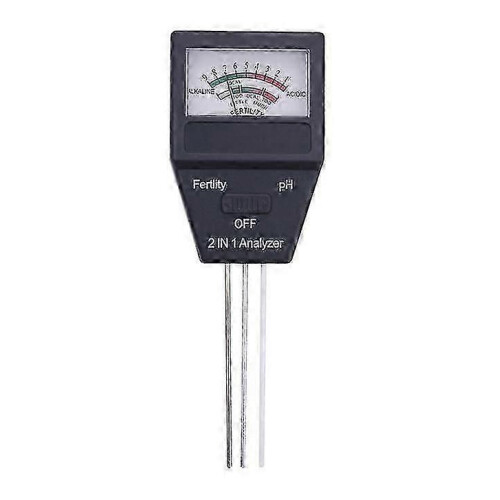
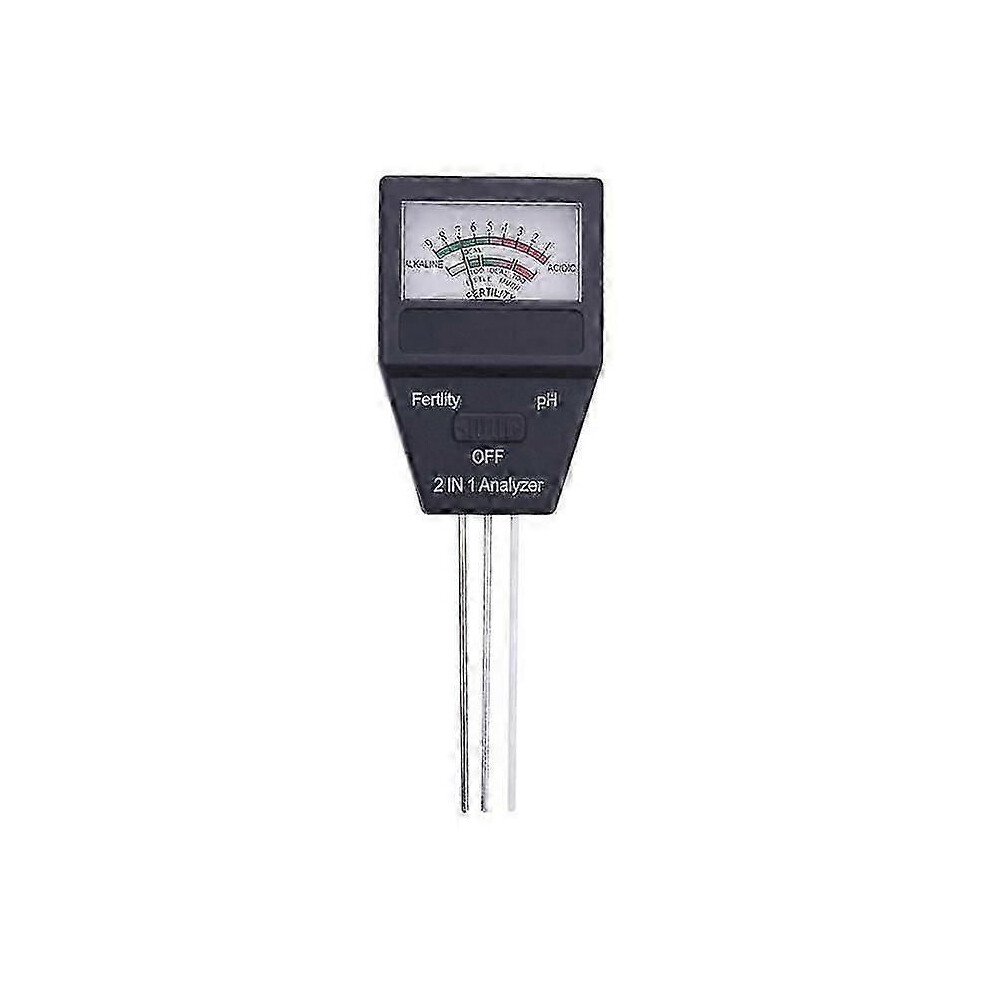
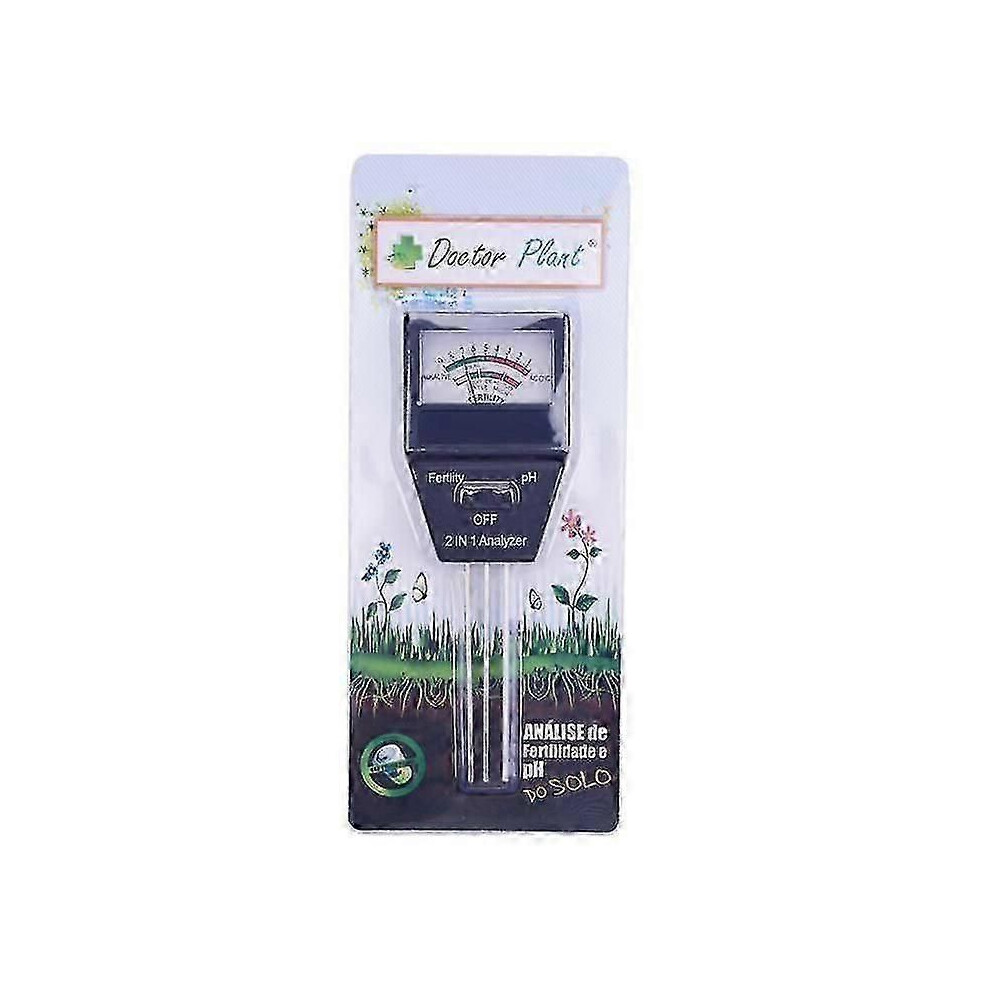
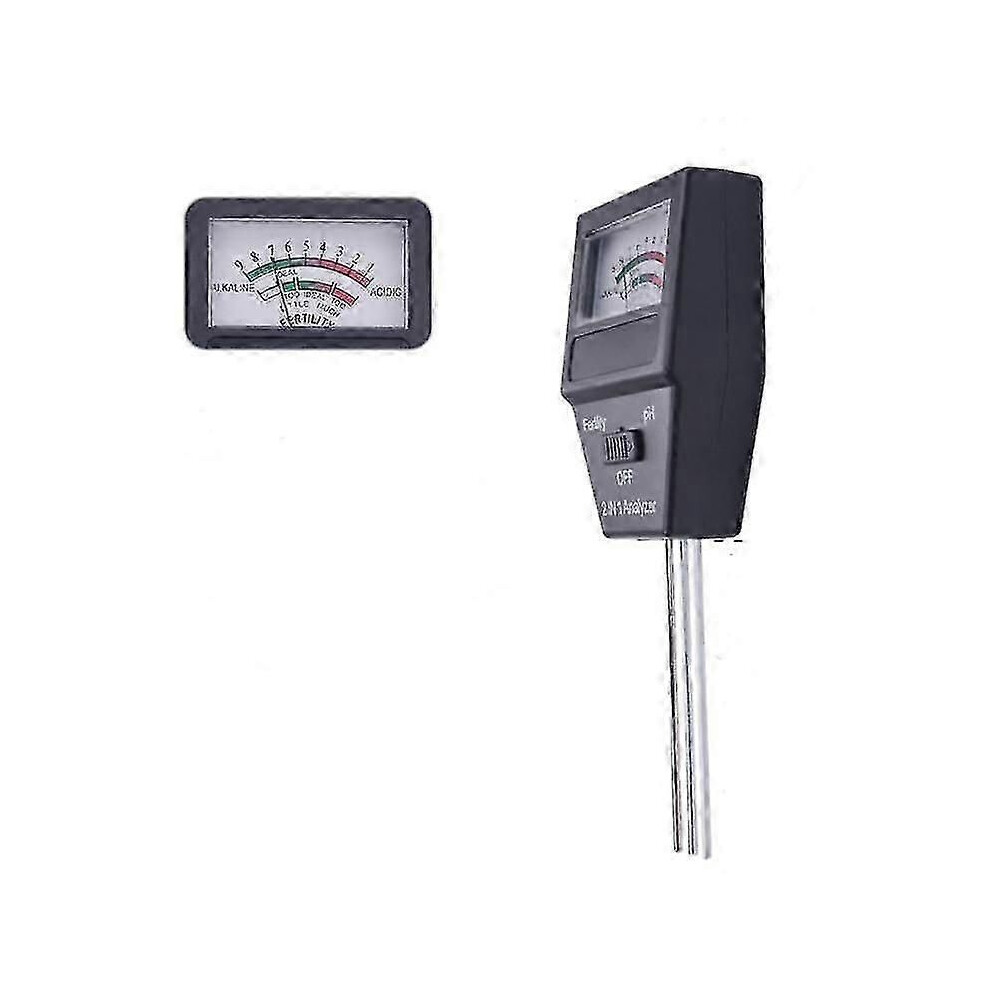
In stock
Smart shoppers OnBuy it!
All prices include VAT.
Interest-free payment options available


See full product description & details
Delivery: Standard (€5.00) | Mon 19th - Sat 24th Oct
Sold by: DouDou
Returns: 30 days
180-day payment protection
1. Instructions for use:
How to analyze soil fertility
1. First remove about 5 cm of topsoil; then mash the soil to a depth of 13 cm. And remove all organic impurities in the soil that will affect the test results, such as leaves, roots, etc.
2. Soak the soil with water to make it muddy.
3. Wipe the probe clean with a clean cotton cloth or paper towel.
4. Move the function key from the left to the first position.
5. Insert the probe into the tested soil until the distance between the soil and the body does not exceed 2.5 cm. Wait for 10 seconds, the data can be read after the pointer is stable.
6. Record the data. Remove the probe from the soil and clean the probe thoroughly.
The analysis result is judged as follows
Too little
Nitrogen below 50 ppm
Phosphorus less than 4 ppm
Potassium is less than 50 ppm
Ideal range (IDEAL)
50-200 ppm
4-14 ppm
Too much
More than 200 ppm
More than 14 ppm
Unit ppm: parts per million
If the analysis result shows "TOO LITTLE", it means: lack of
Please use suitable liquid fertilizers for the different plants you plant to supplement the nutrients of the crops. (See the instructions on the fertilizer packaging bag for details)
If the analysis result shows "IDEAL", it means: ideal
Depending on the plants you are growing, use suitable fertilizers, combined with watering once a month.
If the analysis result shows "TOO MUCH", it means: excessive
1. Water a lot, dilute and rinse excess nutrients;
2. Potted plant, replant to new soil;
3. Do not apply any chemical fertilizers, but manure, compost, plant residues, leaves and other organic matter can be added to the soil.
How to analyze soil pH
1. First remove about 5 cm of the surface soil to be tested; then mash the soil to a depth of 13 cm. And remove all organic impurities in the soil that will affect the test results, such as leaves, roots, etc.
2. Soak the soil with water to make it muddy. (It is better to use rainwater or distilled water)
3. Move the function key to the rightmost position.
4. Wet the probe. Wipe the rightmost one of the three probes with the cleaning pad.
5. Fully insert the probe into the soil to be tested.
6. Wait for 1 minute to read the data.
7. After the test, wipe the probe and dry it.
Special Note
Please do not insert the probe into the soil for a long time, and do not use this equipment to test liquid, so as not to damage it.
Details
| OPC | PHYMPKB |
|---|---|
| Codes | 9016569609135 (EAN) |
| Product and Safety Information |
| Seller | Ratings | Warranty | Returns | Price | Delivery | Total | Quantity |
|---|---|---|---|---|---|---|---|
|
Dispatched from:

|
(104 reviews) | 1 month |
30 Days
Free Returns No
|
€47.62
|
+€5.00 Delivery
Est. Delivery:
19th-24th Oct
|
€52.62
|
Earn as you shop with instant Cashback on everything.
No catch, no cost
Become a Cashback VIP
Just 1 purchase unlocks bigger deals & rates
You'll only get instant Cashback at OnBuy! Enter your email below and we'll send you a copy of your basket to save you time later.
By entering your email address, you'll automatically be added to our database, where you can enjoy personalised Cashback offers and early access to our best deals. You can opt out of our emails at any time and we'll never share your details with anyone. Check our Privacy Policy and T&Cs to find out more.
Want access to personalised offers and the highest Cashback rates? Sign up to our emails below.
You can opt out of our emails at any time and we'll never share your details with anyone. Check our Privacy Policy and T&Cs to find out more.
This page has expired.
Refresh and continue