






















Product Images


In stock
Smart shoppers OnBuy it!
Interest-free payment options available


See full product description & details
Delivery: Standard (Free) | Wed 2nd - Tue 8th Sep
Returns: 30 days
180-day payment protection






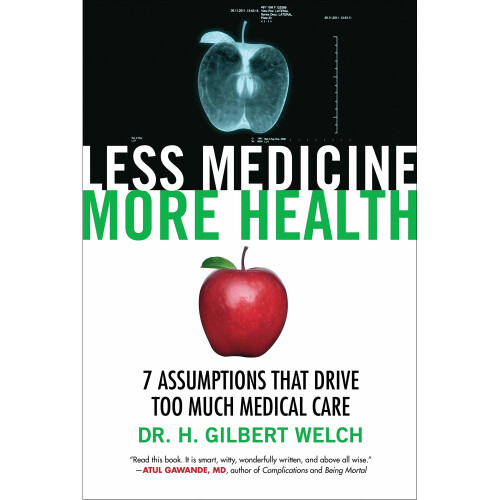
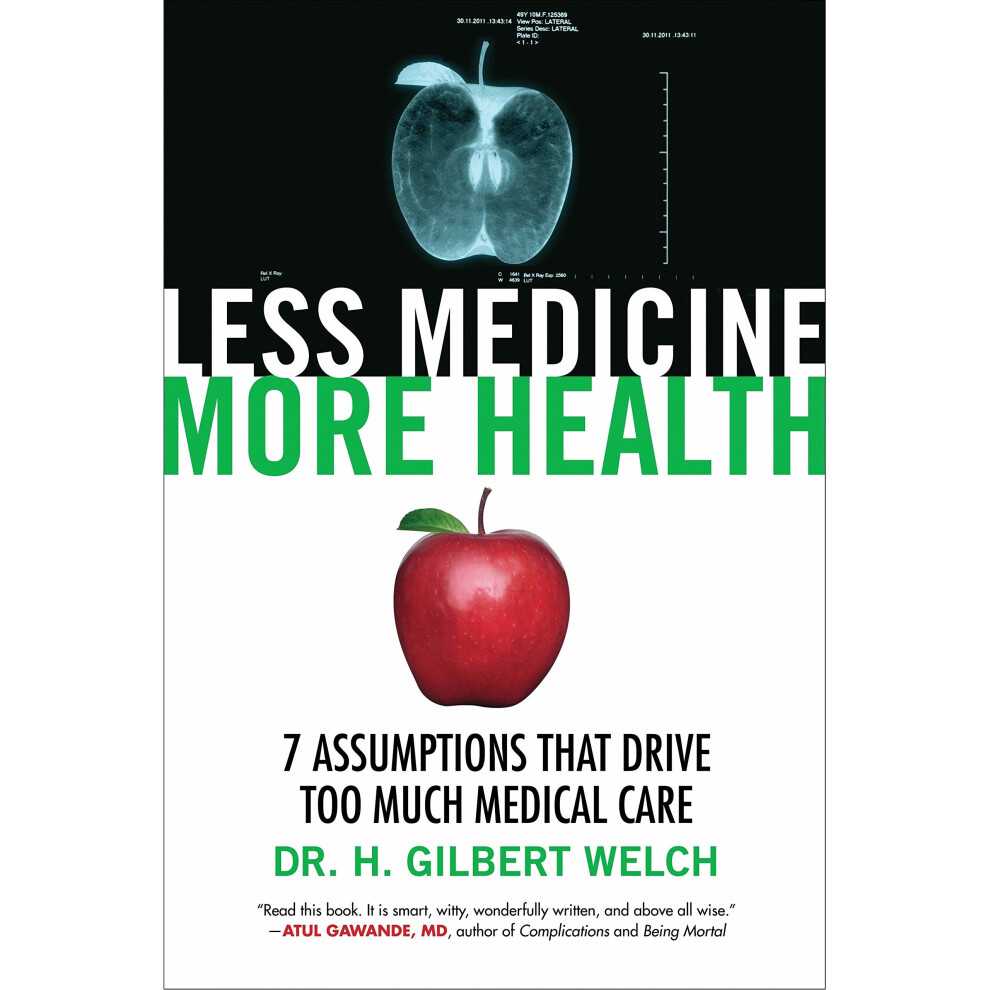
Less Medicine, More Health
The author of the highly acclaimed "Overdiagnosed "describes seven
widespread assumptions that encourage excessive, often ineffective,
and sometimes harmful medical care. You might think the biggest
problem in medical care is that it costs too much. Or that health
insurance is too expensive, too uneven, too complicated and gives
you too many forms to fill out. But the central problem is that too
much medical care has too little value. Dr. H. Gilbert Welch is
worried about too much medical care. It s not to deny that some
people get too little medical care, rather that the conventional
concern about too little needs to be balanced with a concern about
too much: too many people being made to worry about diseases they
don t have and are at only average risk to get; too many people
being tested and exposed to the harmful effects of the testing
process; too many people being subjected to treatments they don t
need or can t benefit from. The American public has been sold the
idea that seeking medical care is one of the most important steps
to maintain wellness. Surprisingly, medical care is not, in fact,
well correlated with good health. So more medicine does not equal
more health; in reality the opposite may be true. The general
public harbors assumptions about medical care that encourage
overuse, assumptions like it s always better to fix the problem,
sooner (or newer) is always better, or it never hurts to get more
information. "Less Medicine, More Health" pushes against
established wisdom and suggests that medical care can be too
aggressive. Drawing on his twenty-five years of medical practice
and research, Dr. Welch notes that while economics and lawyers
contribute to the excesses of American medicine, the problem is
essentially created when the general public clings to these
powerful assumptions about the value of tests and treatments a
number of which are just plain wrong. By telling fascinating (and
occasionally amusing) stories backed by reliable data, Dr.
Wel
Details
| OPC | PMQ9NF |
|---|---|
| Brand | Beacon-Press |
| Codes | 0807077585 (ISBN-10) |
| 9780807077580 (ISBN) | |
| MPN | HJ8U |
Disclaimer: The information below is provided by various external sources and should be used as a guide only.
Less Medicine, More Health
The author of the highly acclaimed Overdiagnosed describes seven widespread assumptions that encourage excessive, often ineffective, and sometimes harmful medical care.
You might think the biggest problem in medical care is that it costs too much. Or that health insurance is too expensive, too uneven, too complicated—and gives you too many forms to fill out. But the central problem is that too much medical care has too little value.
Dr. H. Gilbert Welch is worried about too much medical care. It’s not to deny that some people get too little medical care, rather that the conventional concern about “too little” needs to be balanced with a concern about “too much”: too many people being made to worry about diseases they don’t have—and are at only average risk to get; too many people being tested and exposed to the harmful effects of the testing process; too many people being subjected to treatments they don’t need—or can’t benefit from.
The American public has been sold the idea that seeking medical care is one of the most important steps to maintain wellness. Surprisingly, medical care is not, in fact, well correlated with good health. So more medicine does not equal more health; in reality the opposite may be true.
The general public harbors assumptions about medical care that encourage overuse, assumptions like it’s always better to fix the problem, sooner (or newer) is always better, or it never hurts to get more information. Less Medicine, More Health pushes against established wisdom and suggests that medical care can be too aggressive. Drawing on his twenty-five years of medical practice and research, Dr. Welch notes that while economics and lawyers contribute to the excesses of American medicine, the problem is essentially created when the general public clings to these powerful assumptions about the value of tests and treatments—a number of which are just plain wrong.
By telling fascinating (and occasionally amusing) stories backed by reliable data, Dr. Welch challenges patients and the health-care establishment to rethink some very fundamental practices. His provocative prescriptions hold the potential to save money and, more important, improve health outcomes for us all.
Alternative names:
Detailed Product Information
Weight & dimensions
| Height | 228.6 mm |
|---|---|
| Width | 152.4 mm |
Features
| Release date (DD/MM/YYYY) | 01/03/2016 |
|---|---|
| Number of pages | 240 pages |
| Written by | Dr. H. Gilbert Welch |
| Publisher | Beacon Press |
| International Standard Book Number (ISBN) | 9780807077580 |
| Book cover type | Paperback |
| Seller | Ratings | Warranty | Returns | Price | Delivery | Total | Quantity |
|---|---|---|---|---|---|---|---|
| (3.3k reviews) | - |
30 Days
Free Returns No
|
£12.40
|
+Free Delivery
Est. Delivery:
2nd-8th Sep
|
£12.40
|
Earn as you shop with instant Cashback on everything.
No catch, no cost
Become a Cashback VIP
Just 1 purchase unlocks bigger deals & rates
You'll only get instant Cashback at OnBuy! Enter your email below and we'll send you a copy of your basket to save you time later.
By entering your email address, you'll automatically be added to our database, where you can enjoy personalised Cashback offers and early access to our best deals. You can opt out of our emails at any time and we'll never share your details with anyone. Check our Privacy Policy and T&Cs to find out more.
Want access to personalised offers and the highest Cashback rates? Sign up to our emails below.
You can opt out of our emails at any time and we'll never share your details with anyone. Check our Privacy Policy and T&Cs to find out more.
This page has expired.
Refresh and continue