












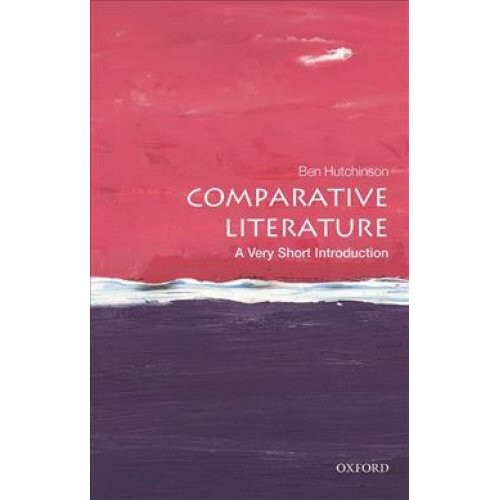
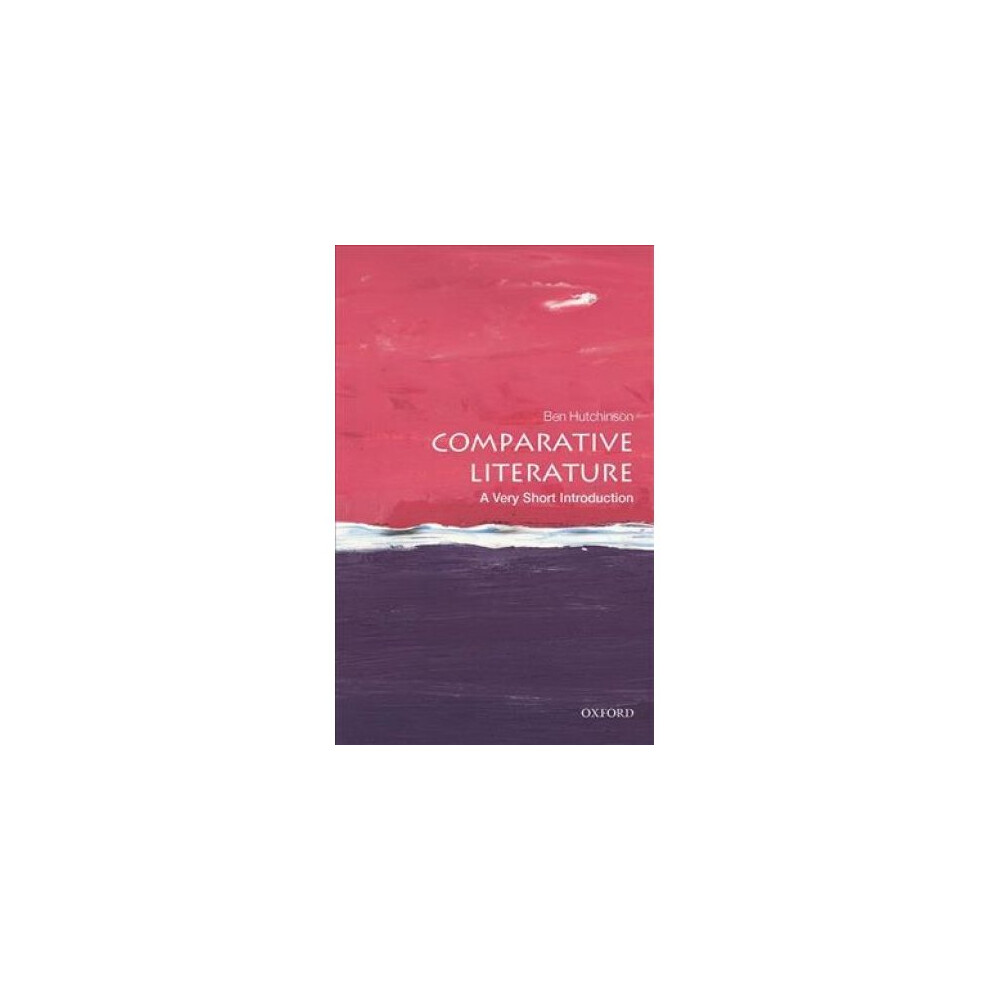
Comparative Literature: A Very Short Introduction
In stock
Smart shoppers OnBuy it!
- Earn Cashback on every purchase – spend it instantly on your next order
- Free delivery – on millions of items across the site
- Customers love us – 136,000 Trustpilot reviews and an 'Excellent' rating
Interest-free payment options available


See full product description & details
Delivery: Standard (Free) | Wed 14th - Thu 15th Oct
There are 4 other sellers
Returns: 30 days
180-day payment protection
You might also like
Comparative Literature: A Very Short Introduction Description
Comparative Literature is both the past and the future of literary studies. Its history is intimately linked to the political upheavals of modernity: from colonial empire-building in the nineteenth century to the postcolonial culture wars of the twenty-first century, attempts at "comparison" have defined the international agenda of literature. But what is comparative literature? Ambitious readers looking to stretch themselves are usually intrigued by the concept, but uncertain of its implications. And rightly so, in many ways: even the professionals cannot agree on a single term, calling it comparative in English, compared in French, and comparing in German. The very term itself, when approached comparatively, opens up a Pandora's box of cultural differences. Yet this, in a nutshell, is the whole point of comparative literature. To look at literature comparatively is to realize just how much can be learned by looking over the horizon of one's own culture. In an age that is paradoxically defined by migration and border crossing on the one hand, and by a retreat into monolingualism and monoculturalism on the other, the cross-cultural agenda of comparative literature has become increasingly central to the future of the Humanities. We are all, in fact, comparatists, constantly making connections across languages, cultures, and genres as we read. The question is whether we realize it. Outlining the complex history and competing theories of comparative literature, Ben Hutchinson offers an accessible means of entry into a notoriously slippery subject. Ultimately, he places comparative literature at the very heart of literary criticism, for as George Steiner once noted, "to read is to compare." ABOUT THE SERIES: The Very Short Introductions series from Oxford University Press contains hundreds of titles in almost every subject area. These pocket-sized books are the perfect way to get ahead in a new subject quickly. Our expert authors combine facts, analysis, perspective, new ideas, and enthusiasm to make interesting and challenging topics highly readable.
Details
| OPC | PSYC96 |
|---|---|
| Codes | 0198807279 (ISBN-10) |
| 9780198807278 (ISBN) |
Disclaimer: The information below is provided by various external sources and should be used as a guide only.
Comparative Literature is both the past and the future of literary studies. Its history is intimately linked to the political upheavals of modernity: from colonial empire-building in the nineteenth century via the Jewish diaspora of the twentieth century to the postcolonial culture wars of the twenty-first century attempts at 'comparison' have defined the international agenda of literature. But what is comparative literature? Ambitious readers looking to stretch themselves are usually intrigued by the concept but uncertain of its implications. And rightly so in many ways: even the professionals cannot agree on a single term calling it comparative in English compared in French and comparing in German. The very term itself when approached comparatively opens up a Pandora's box of cultural differences. Yet this in a nutshell is the whole point of comparative literature. To look at literature comparatively is to realize just how much can be learned by looking over the horizon of one's own culture; it is to discover not only more about other literatures but also about one's own; and it is to participate in the great utopian dream of understanding the way nations and languages interact. In an age that is paradoxically defined by migration and border crossing on the one hand and by a retreat into monolingualism and monoculturalism on the other the cross-cultural agenda of comparative literature has become increasingly central to the future of the Humanities. We are all in fact comparatists constantly making connections across languages cultures and genres as we read. The question is whether we realise it. This Very Short Introduction tells the story of Comparative Literature as an agent of international relations from the point of view both of scholarship and of cultural history more generally. Outlining the complex history and competing theories of comparative literature Ben Hutchinson offers an accessible means of entry into a notoriously slippery subject and shows how comparative literature can be like a Rorschach test where people see in it what they want to see. Ultimately Hutchinson places comparative literature at the very heart of literary criticism for as George Steiner once noted 'to read is to compare'. ABOUT THE SERIES: The Very Short Introductions series from Oxford University Press contains hundreds of titles in almost every subject area. These pocket-sized books are the perfect way to get ahead in a new subject quickly. Our expert authors combine facts analysis perspective new ideas and enthusiasm to make interesting and challenging topics highly readable.
Comparative Literature is both the past and the future of literary studies. Its history is intimately linked to the political upheavals of modernity: from colonial empire-building in the nineteenth century via the Jewish diaspora of the twentieth century to the postcolonial culture wars of the twenty-first century attempts at 'comparison' have defined the international agenda of literature. But what is comparative literature? Ambitious readers looking to stretch themselves are usually intrigued by the concept but uncertain of its implications. And rightly so in many ways: even the professionals cannot agree on a single term calling it comparative in English compared in French and comparing in German. The very term itself when approached comparatively opens up a Pandora's box of cultural differences. Yet this in a nutshell is the whole point of comparative literature. To look at literature comparatively is to realize just how much can be learned by looking over the horizon of one's own culture; it is to discover not only more about other literatures but also about one's own; and it is to participate in the great utopian dream of understanding the way nations and languages interact. In an age that is paradoxically defined by migration and border crossing on the one hand and by a retreat into monolingualism and monoculturalism on the other the cross-cultural agenda of comparative literature has become increasingly central to the future of the Humanities. We are all in fact comparatists constantly making connections across languages cultures and genres as we read. The question is whether we realise it. This Very Short Introduction tells the story of Comparative Literature as an agent of international relations from the point of view both of scholarship and of cultural history more generally. Outlining the complex history and competing theories of comparative literature Ben Hutchinson offers an accessible means of entry into a notoriously slippery subject and shows how comparative literature can be like a Rorschach test where people see in it what they want to see. Ultimately Hutchinson places comparative literature at the very heart of literary criticism for as George Steiner once noted 'to read is to compare'. ABOUT THE SERIES: The Very Short Introductions series from Oxford University Press contains hundreds of titles in almost every subject area. These pocket-sized books are the perfect way to get ahead in a new subject quickly. Our expert authors combine facts analysis perspective new ideas and enthusiasm to make interesting and challenging topics highly readable.
Alternative names:
- ISBN Comparative Literature: A Very Short Introduction 160 pages English
- ISBN Comparative Literature: A Very Short Introduction 160 pages English
Detailed Product Information
Features
| Language version | English |
|---|---|
| Release date (DD/MM/YYYY) | 22/03/2018 |
| Number of pages | 160 pages |
| Written by | Ben Hutchinson |
| Publisher | Oxford University Press |
| Suggested gender | Any gender |
| International Standard Book Number (ISBN) | 9780198807278 |
Compare Sellers for Comparative Literature: A Very Short Introduction
- New from £9.70
| Seller | Ratings | Warranty | Returns | Price | Delivery | Total | Quantity |
|---|---|---|---|---|---|---|---|
| (2.6k reviews) | - |
30 Days
Free Returns No
|
£9.70
|
+Fast & Free Delivery
Est. Delivery:
14th-15th Oct
|
£9.70
Recommended
We recommend listings based on a combination of price, delivery time, quality of seller reviews and other factors
|
||
| (3.4k reviews) | - |
30 Days
Free Returns No
|
£10.60
|
+Free Delivery
Est. Delivery:
26th-31st Oct
|
£10.60
|
||
| (2.7k reviews) | - |
30 Days
Free Returns No
|
£11.13
|
+Free Delivery
Est. Delivery:
20th-22nd Oct
|
£11.13
|
||
| (209 reviews) | - |
30 Days
Free Returns No
|
£12.48
|
+Free Delivery
Est. Delivery:
20th-22nd Oct
|
£12.48
|
||
| (1.6k reviews) | - |
30 Days
Free Returns No
|
£12.27
|
+£3.00 Delivery
Est. Delivery:
30th Oct - 18th Nov
|
£15.27
|
Earn as you shop with instant Cashback on everything.
No catch, no cost
- Paid into your OnBuy account
- Spend it on your next purchase
- Save it or withdraw it
Become a Cashback VIP
Just 1 purchase unlocks bigger deals & rates